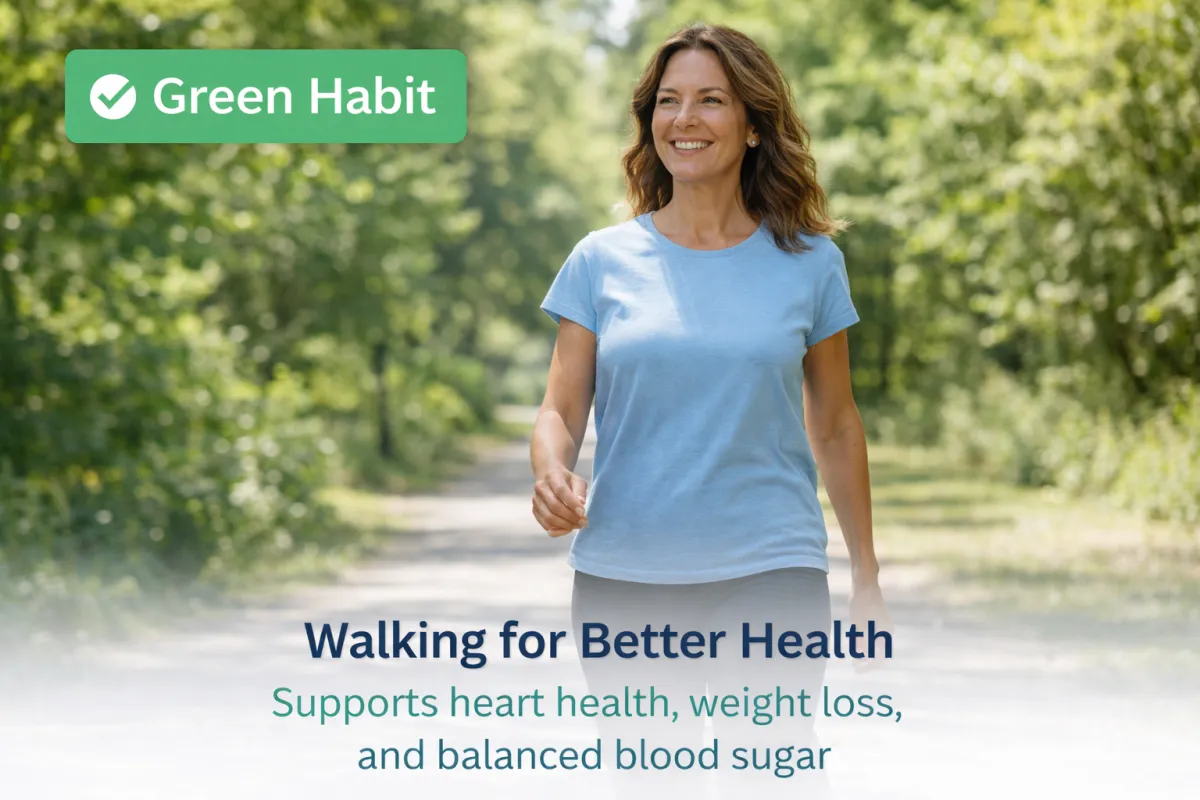
Unlocking the Benefits of Walking
Unlocking the Benefits of Walking
Physical inactivity can have serious effects on our health. Many chronic conditions—such as heart disease, type 2 diabetes, obesity, and high blood pressure—are strongly linked to not moving enough. The good news is that one of the simplest forms of movement, walking, can make a powerful difference in overall health and longevity.
Walking is free, accessible, and safe for most people. It does not require a gym, special equipment, or advanced skills. Yet, it offers meaningful benefits for the heart, metabolism, weight, and overall well-being.
The Power of Walking
Heart disease is the leading cause of death in the United States for both men and women. According to the Centers for Disease Control and Prevention (CDC), heart disease accounts for about 1 in every 5 deaths each year. Regular physical activity, including walking, is one of the most effective ways to lower the risk of developing heart disease.
Walking helps strengthen the heart muscle, improve circulation, and lower blood pressure. It also improves cholesterol levels by raising HDL (“good”) cholesterol and lowering LDL (“bad”) cholesterol when done consistently.
For people who have already experienced a heart attack or undergone heart procedures such as bypass surgery, supervised exercise—including walking—is a key part of cardiac rehabilitation. Regular movement helps reduce the risk of future heart events and improves quality of life.
How Heart Disease Develops
Heart disease often develops when plaque builds up inside the coronary arteries. This plaque is made of cholesterol, fat, calcium, and other substances found in the blood. Over time, plaque narrows the arteries and limits blood flow to the heart.
When blood flow is reduced, the heart muscle may not get enough oxygen, which can cause chest pain or shortness of breath. If an artery becomes fully blocked, it can lead to a heart attack. Similar blockages in blood vessels that supply the brain can cause a stroke.
Regular physical activity helps slow this process by improving blood flow, reducing inflammation, and supporting healthy blood vessels.
The Dangers of Physical Inactivity
Physical inactivity itself is a risk factor for heart disease. When inactivity is combined with excess calorie intake, weight gain, high blood sugar, and abnormal cholesterol levels, the risk increases even more.
Research shows that regular movement helps counteract many of these risks. Walking improves insulin sensitivity, supports blood sugar control, and helps the body use fat more efficiently for energy.
Some studies suggest that when regular exercise is combined with healthy eating and stress management, it may help slow or reduce plaque buildup in the arteries. While exercise alone cannot “reverse” plaque, it plays an important role in preventing further progression.
How Much Walking Is Enough?
The American Heart Association recommends at least 150 minutes of moderate-intensity aerobic activity per week, which can be broken down into 30 minutes of walking, five days per week. Even shorter bouts—such as 10 minutes at a time—count toward this goal.
Importantly, even light activities like walking at a comfortable pace, gardening, or doing household chores provide benefits when done consistently. For people who have been inactive or who have chronic health conditions, it is wise to start slowly and talk with a healthcare provider before significantly increasing activity.
Walking for Weight Management
Walking is an effective tool for weight management and one of the easiest exercises to maintain long-term. Because it is low-impact and gentle on the joints, walking has a lower dropout rate compared to more intense exercise programs.
Walking helps burn calories, preserve muscle mass, improve metabolism, and increase aerobic fitness. Over time, it can support fat loss and prevent weight regain.
However, it is important to understand that weight loss depends mostly on nutrition. Exercise supports weight loss and is essential for maintaining weight loss, but changes in food intake are usually necessary for significant results.
Understanding Calories and Weight
If the number of calories consumed equals the number of calories burned, body weight stays about the same. Extra calories that are not used are stored as fat. Over time, this leads to weight gain.
While older guidelines often referenced the “3,500-calorie rule,” newer research shows weight change is more complex and influenced by hormones, metabolism, muscle mass, and activity level. Walking helps by improving metabolic health and supporting long-term balance rather than quick fixes.
Dieting without exercise can slow metabolism and lead to muscle loss. Inactivity can also worsen insulin resistance, making weight management harder over time.
Walking and Diabetes
Walking is especially helpful for people with diabetes or insulin resistance. When you walk, your muscles use glucose for energy, which helps lower blood sugar levels naturally. Regular walking also improves insulin sensitivity, meaning your body can use insulin more effectively over time. Studies show that even a 10–15 minute walk after meals can reduce post-meal blood sugar spikes. Walking also helps lower stress, reduce inflammation, support weight management, and improve heart health—all important factors in diabetes management. For many people, consistent walking can lead to better daily glucose control and lower long-term A1C levels when combined with healthy eating and good sleep.
The Value of Walking at Any Age
Walking is an excellent place to start—especially for people over 40 or those managing chronic conditions. It improves heart health, supports blood sugar balance, helps preserve muscle and bone strength, improves balance, and boosts mood.
Walking also reduces stress, improves sleep, and supports mental health. When done outdoors, it provides added benefits from fresh air, sunlight, and connection with nature.
The most important step is simply to begin. Even small, consistent efforts add up over time.
Final Thoughts
Walking may seem simple, but it is one of the most powerful habits you can build for lifelong health. Whether your goal is heart health, weight management, blood sugar control, or simply feeling better in your body, walking is a safe, effective, and sustainable choice.
Start where you are. Walk a little more today than yesterday. Over time, your heart, body, and mind will thank you.
References
American Heart Association.Physical Activity Recommendations for Adults
https://www.heart.orgCenters for Disease Control and Prevention (CDC).Heart Disease Facts
https://www.cdc.gov/heartdiseaseCDC.Physical Activity and Health
https://www.cdc.gov/physicalactivityHarvard Health Publishing.Walking for Health
https://www.health.harvard.edu
