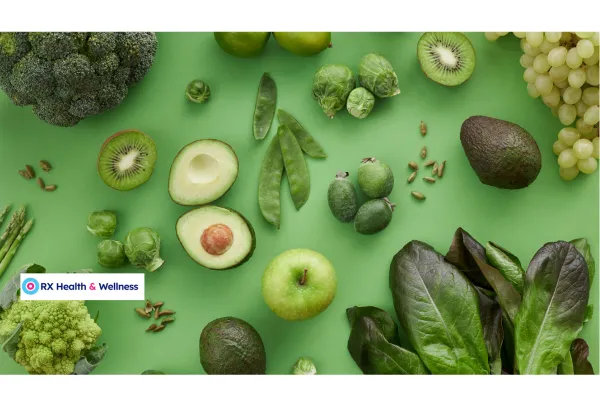
Green Vegetables
Green Vegetables: Why “Green” Foods Matter for Metabolic and Overall Health
Green vegetables are foundational to a balanced, health-supportive diet. They provide essential vitamins, minerals, antioxidants, and dietary fiber, all of which play a role in metabolic health, gut health, and chronic disease prevention.
What gives these foods their deep green color is chlorophyll, a naturally occurring plant pigment. While chlorophyll itself isn’t a magic cure, foods rich in chlorophyll also contain a powerful combination of nutrients and phytochemicals that support overall health in meaningful, evidence-based ways.
What Makes Green Vegetables So Valuable?
Chlorophyll and Phytonutrients
Chlorophyll is the pigment plants use for photosynthesis, and it gives green vegetables their color. Research suggests chlorophyll and related compounds (like chlorophyllin) have antioxidant and anti-inflammatory properties, and may help protect cells from oxidative stress.
Importantly, chlorophyll-rich foods are also high in other beneficial plant compounds — including carotenoids, flavonoids, and polyphenols — which work together to support immune function and cellular health.
(Source: Oregon State University Linus Pauling Institute)
Dietary Fiber
Green vegetables are excellent sources of dietary fiber, which plays a critical role in:
gut health and digestion
appetite and satiety
Higher fiber intake is consistently associated with a lower risk of type 2 diabetes, cardiovascular disease, and certain cancers.
(Source: Harvard T.H. Chan School of Public Health)
Evidence-Based Health Benefits of Green Vegetables
Gut & Digestive Health
Fiber feeds beneficial gut bacteria, supports regular bowel movements, and helps maintain a healthy gut barrier.Heart Health
Diets rich in leafy greens are associated with lower blood pressure and reduced risk of cardiovascular disease, likely due to fiber, potassium, antioxidants, and nitrate content.Blood Sugar Balance
Fiber slows digestion and glucose absorption, helping to reduce post-meal blood sugar spikes — particularly helpful for insulin resistance and diabetes management.Cellular Protection & Cancer Risk Reduction
Green vegetables contain antioxidants and phytochemicals that help neutralize free radicals and may reduce damage caused by carcinogens.
(Source: American Institute for Cancer Research)
Top Green Vegetables to Include Regularly
1. Spinach
Spinach provides vitamins A, C, and K, folate, iron, magnesium, fiber, and carotenoids like lutein and zeaxanthin. These nutrients support eye health, bone health, cardiovascular health, and metabolic function.
2. Kale
Kale is rich in fiber, vitamin C, vitamin K, calcium, and antioxidants. It is especially high in lutein and zeaxanthin, which support eye and heart health.
3. Broccoli
Broccoli is a cruciferous vegetable containing fiber, vitamin C, folate, and sulforaphane, a compound studied for its role in supporting detoxification pathways and cellular protection.
4. Swiss Chard
Swiss chard provides fiber, magnesium, potassium, and vitamin K, nutrients that support muscle function, blood pressure regulation, and cardiovascular health.
5. Brussels Sprouts
Brussels sprouts are high in fiber, vitamin C, vitamin K, and glucosinolates. These compounds support gut health and play a role in the body’s natural detoxification processes.
Practical Ways to Add More Green Vegetables
Add leafy greens to salads, soups, and egg dishes
Lightly steam or roast broccoli and Brussels sprouts to improve flavor and digestibility
Sauté spinach or Swiss chard with olive oil and garlic
Blend greens into smoothies alongside protein and healthy fats
Use kale or greens as a base for bowls instead of refined grains
Consistency matters more than perfection.
Real, Evidence-Based References
Harvard T.H. Chan School of Public Health – Fiber and Chronic Disease
https://www.hsph.harvard.edu/nutritionsource/carbohydrates/fiber/Oregon State University Linus Pauling Institute – Chlorophyll & Phytochemicals
https://lpi.oregonstate.edu/mic/dietary-factors/phytochemicals/chlorophyll-chlorophyllinAmerican Institute for Cancer Research – Green Leafy Vegetables
https://www.aicr.org/cancer-prevention/food-facts/green-leafy-vegetables/Centers for Disease Control and Prevention (CDC) – Vegetable Nutrition
https://www.cdc.gov/nutrition/index.html
Final Thoughts
Green vegetables are not about detox trends or perfection — they are about nutrient density, fiber, and consistency.
Regularly including green, fiber-rich vegetables supports digestion, blood sugar balance, heart health, and long-term metabolic health. Small, steady choices — like adding greens to one meal a day — can create meaningful health benefits over time.
