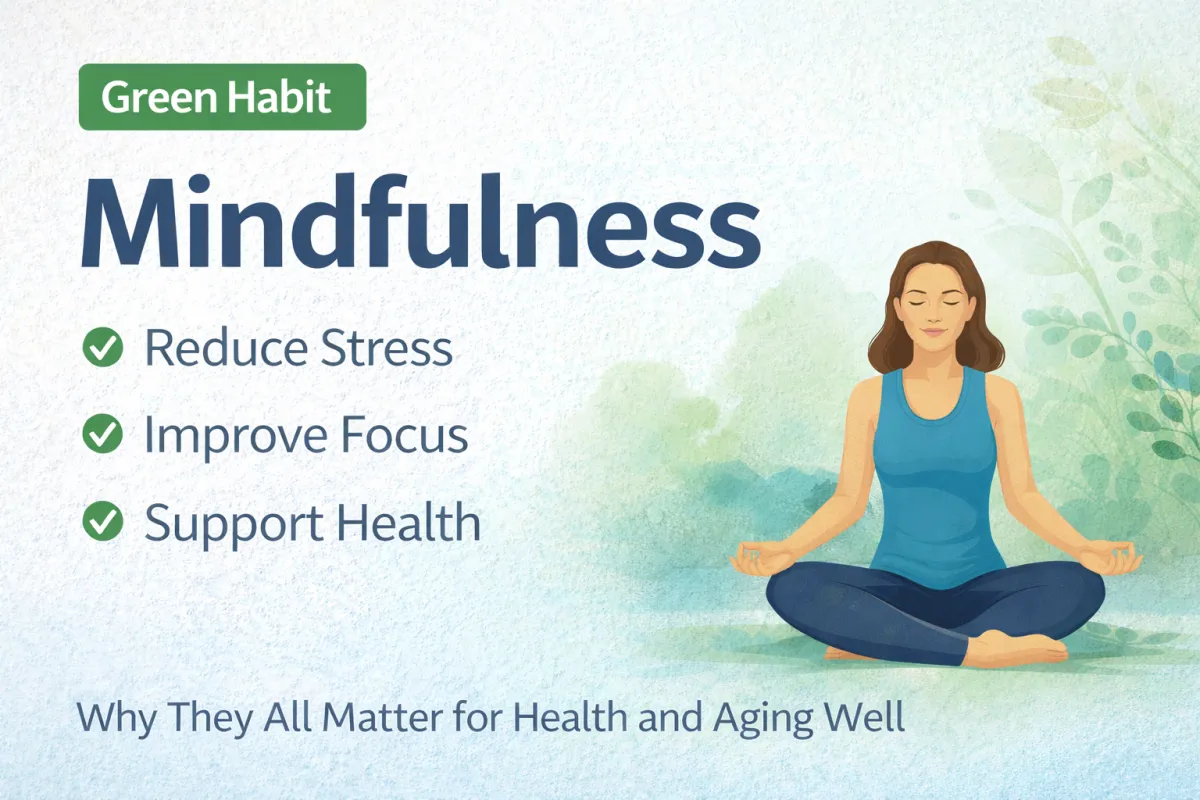
Mindfulness
Mindfulness: A Simple Guide to Living in the Moment
Mindfulness has become a popular topic in health and wellness, but it is not a trend or a quick fix. Mindfulness is a skill that has been practiced for thousands of years and is now supported by modern science. When practiced regularly, mindfulness can improve mental health, reduce stress, and support physical well-being.
In today’s busy world, many of us live on autopilot—thinking about the past or worrying about the future. Mindfulness helps bring our attention back to the present moment.
What Is Mindfulness?
Mindfulness is the practice of paying attention to the present moment on purpose and without judgment. This means noticing your thoughts, feelings, body sensations, and surroundings as they are—without trying to change them.
Mindfulness does not mean clearing your mind or stopping thoughts. Instead, it teaches you to notice thoughts and let them pass without getting caught up in them.
The Two Key Parts of Mindfulness
Mindfulness is built on two simple ideas:
Awareness
Awareness means noticing what is happening right now. This could include:
Your breathing
Your thoughts
Your emotions
Physical sensations in your body
You observe these experiences as they come and go.
Acceptance
Acceptance means allowing experiences to be there without labeling them as “good” or “bad.” Instead of fighting discomfort or stress, you acknowledge it with curiosity and kindness.
Benefits of Mindfulness
Research shows that regular mindfulness practice can support both mental and physical health.
Mental and Emotional Benefits
Reduces stress and anxiety
Improves mood and emotional balance
Helps with focus, learning, and memory
Increases emotional resilience
Physical Health Benefits
Improves sleep quality
Lowers stress hormones like cortisol
Supports immune function
May reduce risk factors for heart disease and diabetes
Mindfulness does not replace medical care, but it works well alongside healthy lifestyle habits such as good nutrition, movement, and sleep.
Mindfulness and Stress
Chronic stress affects nearly every system in the body. It can raise blood pressure, increase blood sugar, disrupt sleep, and worsen inflammation.
Mindfulness helps calm the nervous system by shifting the body out of “fight or flight” mode and into a more relaxed state. Over time, this can improve how the body responds to stress.
Simple Ways to Practice Mindfulness Every Day
You do not need special equipment or long meditation sessions to practice mindfulness. You can bring mindfulness into everyday activities.
Try These Simple Practices:
While showering: Notice the warmth of the water, the scent of soap, and the feeling on your skin.
While walking: Pay attention to each step, the sounds around you, and the feeling of your body moving.
While eating: Slow down. Notice the taste, texture, and smell of your food.
While brushing your teeth: Focus on the sensation and movement instead of rushing through it.
Even a few minutes at a time can be helpful.
Using Your Senses
Mindfulness becomes stronger when you engage your senses. During any activity, try noticing:
What you can see
What you can hear
What you can smell
What you can feel
This helps anchor your attention in the present moment.
What to Do About Intrusive Thoughts
It is normal for the mind to wander during mindfulness practice. When thoughts pop up:
Notice the thought
Do not judge it
Gently bring your attention back to the present
This process is the practice. There is no “failure” in mindfulness—only returning to awareness.
Mindfulness Takes Practice
At first, mindfulness may feel uncomfortable or awkward. Some people notice more thoughts or emotions when they slow down. This is normal.
With regular practice, mindfulness becomes easier and more natural. Over time, many people find they respond to stress more calmly and feel more connected to their bodies and emotions.
The Bottom Line
Mindfulness is a simple but powerful practice that supports mental clarity, emotional balance, and physical health. It does not require perfection, special skills, or large amounts of time.
By practicing mindfulness regularly, you can learn to respond to life with greater calm, awareness, and intention—one moment at a time.
References
Kabat-Zinn, J. (1990).Full Catastrophe Living.
Davidson, R. J., & Kabat-Zinn, J. (2003). Alterations in brain and immune function produced by mindfulness meditation.Psychosomatic Medicine.
Black, D. S., et al. (2015). Mindfulness meditation and sleep quality in older adults.JAMA Internal Medicine.
Loucks, E. B., et al. (2015). Mindfulness and cardiovascular disease risk.Current Cardiology Reports.
National Center for Complementary and Integrative Health (NCCIH).Mindfulness Meditation.
https://www.nccih.nih.gov
