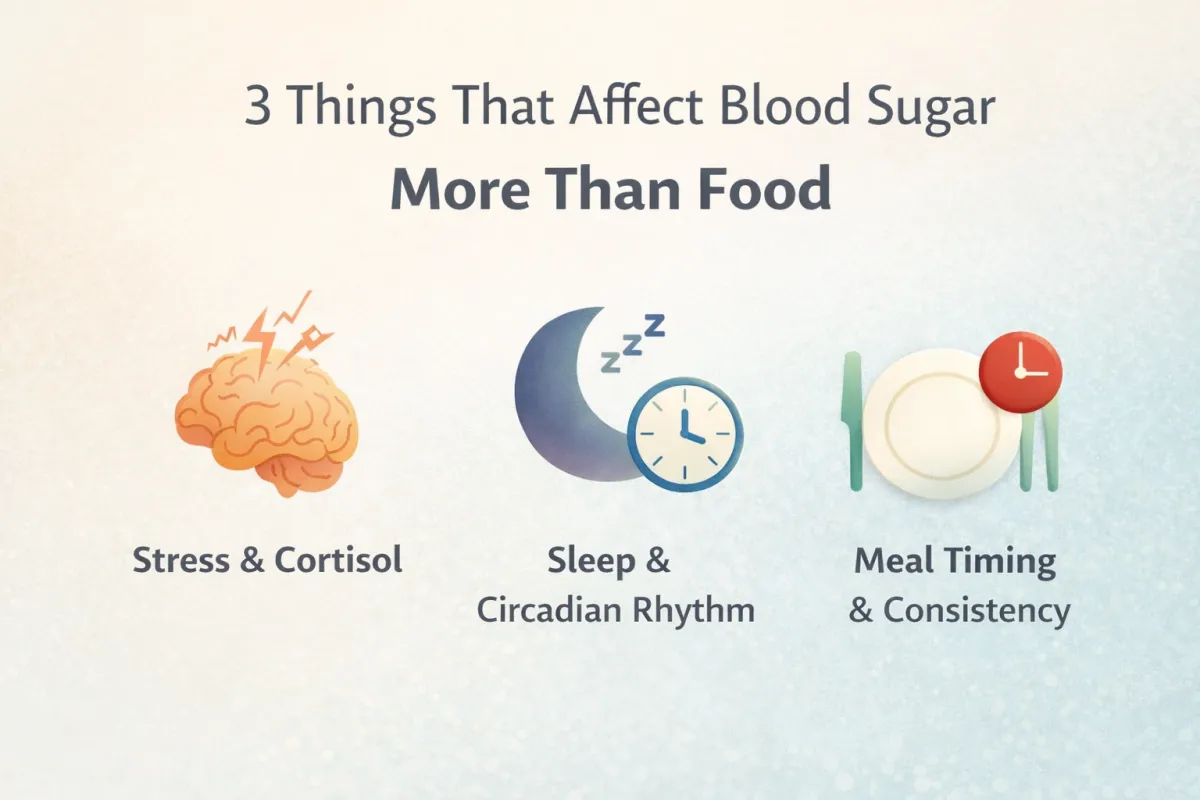
3 Things That Affect Blood Sugar More Than Food
3 Things That Affect Blood Sugar More Than Food
When blood sugar feels unpredictable, most people assume the problem is food.
And while food matters, it’s not the only driver of blood sugar levels.
In fact, many people are already eating “the right things” — yet still see highs, crashes, or stubborn numbers. That’s because blood sugar is influenced by more than what’s on your plate.
Let’s talk about three factors that often impact blood sugar as much as — or more than — food.
1. Stress and Cortisol
Stress is one of the most powerful blood sugar drivers.
When your body is under stress, it releases cortisol. Cortisol’s job is to make sure you have quick energy to respond to a threat. It does this by signaling the liver to release glucose into the bloodstream.
This means:
blood sugar can rise even if you haven’t eaten
emotional stress can cause glucose spikes
worrying about numbers can actually raise numbers
This is why you may see higher readings during:
busy workdays
family stress
poor sleep
rushing or feeling overwhelmed
Managing stress doesn’t mean eliminating it. It means giving your body signals of safety so cortisol doesn’t stay elevated all day.
2. Sleep and Your Circadian Rhythm
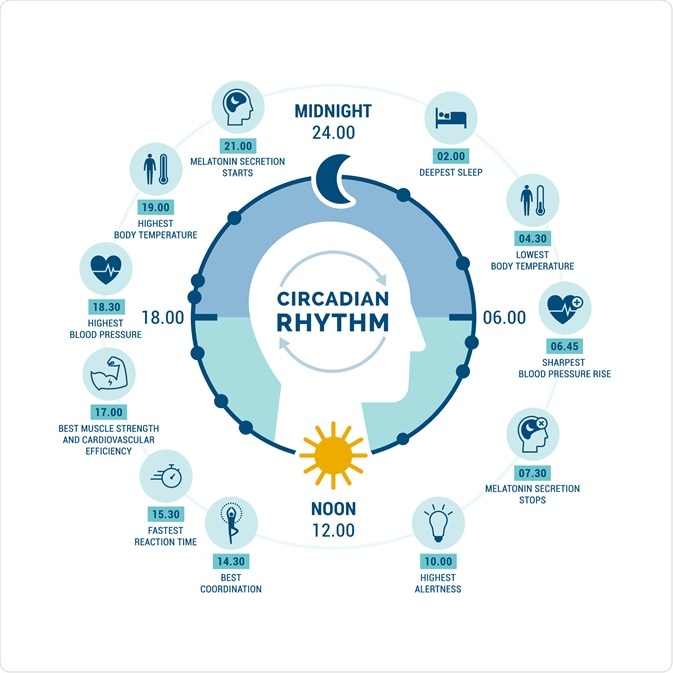
Sleep plays a major role in blood sugar regulation.
When sleep is short or inconsistent:
insulin sensitivity decreases
fasting blood sugar often rises
cravings increase
stress hormones stay elevated
Even one or two nights of poor sleep can lead to higher glucose readings the next day.
Your body follows a circadian rhythm— an internal clock that helps regulate hormones, digestion, and metabolism. When sleep timing is off, blood sugar control becomes harder.
This is why improving sleep often leads to:
better fasting numbers
fewer spikes
more stable energy
Sleep is not a luxury when it comes to blood sugar. It’s part of the foundation.
3. Meal Timing and Consistency
What you eat matters — but when and how consistently you eat also matters.
Skipping meals, eating very late, or having long gaps between meals can:
trigger cortisol release
lead to larger glucose spikes later
increase cravings and overeating
Your body likes rhythm.
Regular meal timing helps:
reduce stress hormones
support insulin function
prevent large swings in blood sugar
This doesn’t mean rigid schedules. It means aiming for consistent patterns most days, not perfection.
Why This Matters in January
January often brings a lot of pressure:
new routines
high expectations
tracking everything
But trying to control blood sugar through food alone often leads to frustration.
A gentle reset means widening the lens:
supporting stress
improving sleep
creating consistent routines
When these pieces are in place, food choices become easier — and blood sugar becomes more stable.
The Takeaway
If you’re doing your best with food but still feel stuck, it may not be about trying harder.
It may be about supporting:
your nervous system
your sleep
your daily rhythm
Blood sugar balance is a whole-body process, not a food-only problem.
Did You Know?
💡 Even mild sleep deprivation can reduce insulin sensitivity by up to 25%, making blood sugar harder to control the next day.
Join the Blood Sugar Reset Community

Support, education, and simple strategies
for steady blood sugar — without extremes
Looking for a supportive space to work on blood sugar without pressure or extremes?
Join the Blood Sugar Reset Membership — a calm, educational community focused on sustainable habits.
